Skip to content
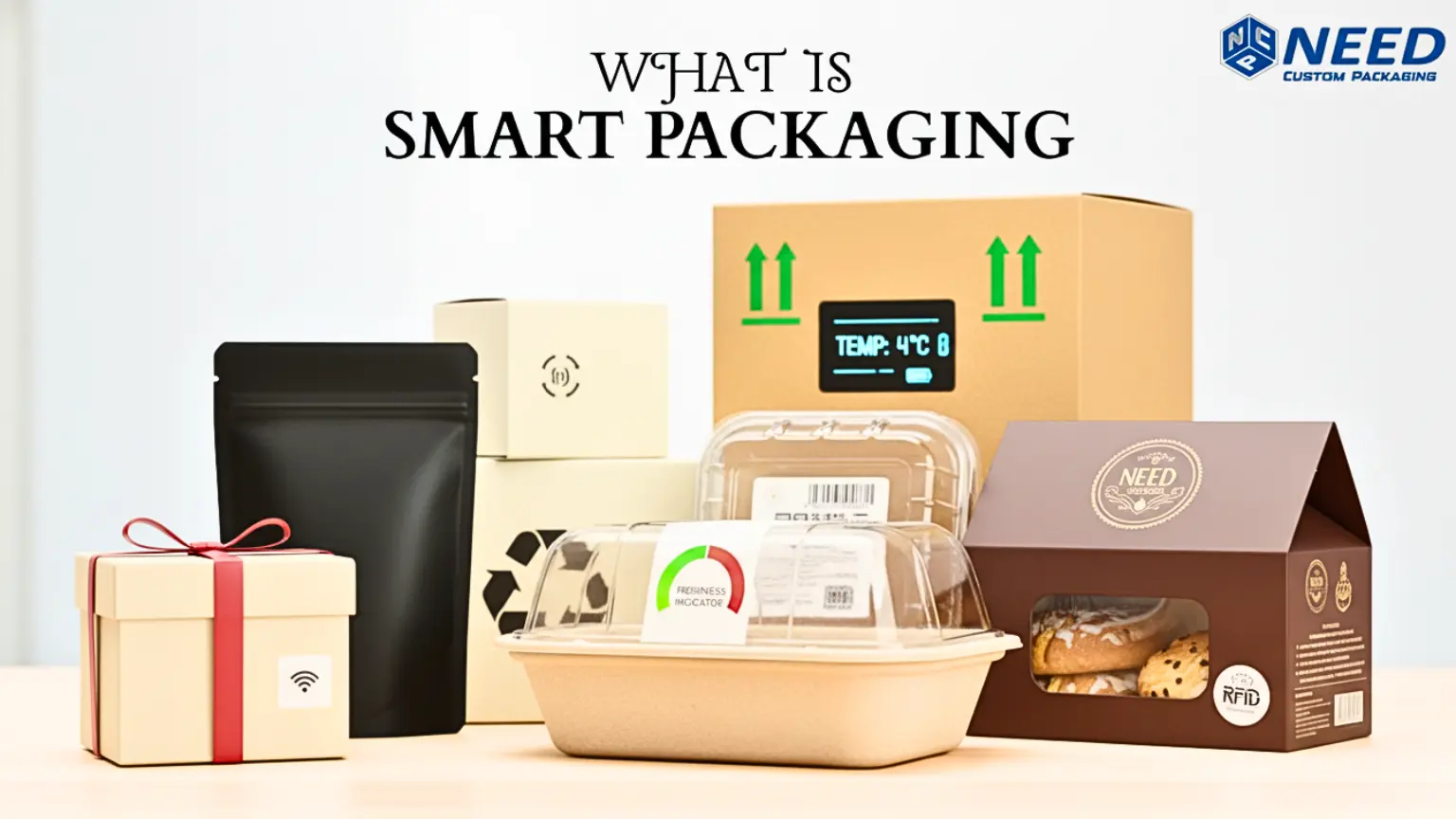
Smart packaging is an exciting new approach that goes beyond the traditional role of packaging, which is to hold a product. It makes packaging more useful and interactive.
For example, specific labels allow you to access product information simply by tapping your phone on them. This is the result of smart packaging.
It is a mix of technology and creativity. Now we will explain about “what is smart packaging”, how it works, its main benefits, and the trends that are shaping its future.
What is Smart Packaging?
Smart packaging is a modern approach to packaging that combines technology with the containers we use for products.
This concept focuses on integrating technologies such as QR codes, RFID chips, NFC tags, and sensors. It also includes data-driven materials to enhance the product’s value throughout its lifecycle.
Unlike traditional packaging, which is passive, smart packaging is active and intelligent. It interacts with the product or user, collects data, and will even provide real-time updates.
The main objectives of smart packaging are to improve product quality, ensure safety, and enhance the user experience.
For example, a milk carton that changes color when the product has spoiled, or a medicine box that reminds you when to take your dose. These are real examples of innovative packaging in action.
To understand how packaging has grown with technology, explore our detailed overview of “What is Packaging” to learn how it all began.
Types of Smart Packaging
Smart packaging uses not just one type of technology but several, each serving its own purpose. Generally, we will divide these into three main categories:
- Active packaging
- Intelligent packaging
- Connected or interactive packaging
Understanding these differences will help businesses choose the best option for their needs.
Active Packaging
Active packaging is a type of packaging that engages with the contents or environment to extend shelf life and maintain freshness, rather than simply holding the product.
Instead of being just a protective layer, active packaging interacts with the items inside or their surrounding environment to prevent spoilage.
This kind of packaging will include materials that absorb oxygen and moisture, or that have special coatings to prevent bacteria growth. For example, a snack bag has a special layer that takes in moisture to keep chips crunchy.
Intelligent Packaging
Intelligent packaging is a special type of packaging designed to monitor a product’s condition and share information about it.
This packaging often includes features like sensors or indicators that react to changes in the environment.
For example, it features a temperature sensor that changes color if a product requiring cold storage is exposed to heat. There will also be freshness indicators that show if the food is starting to spoil.
Additionally, some packages come with QR codes or RFID tags that store important information about the product’s journey from manufacturer to consumer.
A luxury goods box contains an embedded RFID tag that verifies authenticity for the brand. This example shows how packaging serves as a data source rather than just a container.
Connected or Interactive Packaging
Connected or interactive packaging is a type of packaging that connects to digital tools and systems, making it easier for consumers to engage with products.
This will be done using technologies like NFC (which allows devices to communicate when they’re close together) or augmented reality (which adds digital elements to what we see in the real world).
With this kind of packaging, customers can access product information by tapping their smartphone on a special tag. They also receive instructions on how to use it and can find out about special offers.
A packaging for an electronic device includes a special NFC tag. Tap your phone to the tag to sign up for the warranty or get help with your product.
How Smart Packaging Works?
Smart packaging combines materials science, Internet of Things (IoT) technology, and data communication to enhance product safety and visibility.
It includes small sensors or smart materials that monitor conditions such as temperature, humidity, pressure, and freshness.
This data can be displayed directly on the package or transmitted digitally via RFID, Bluetooth, or cloud-connected systems.
For businesses, this means they gain real-time visibility into the product’s location, storage conditions, and safety.
For example, a food shipment equipped with smart temperature sensors will notify logistics teams if the cold chain is compromised. Retailers will then respond quickly to prevent spoilage and ensure consumer safety.
Recent industry reports indicate that brands utilizing interactive packaging have experienced up to a 30% increase in consumer engagement and a 20% reduction in product returns.
Advantages of Using Smart Packaging
Smart packaging is not just a creation in design; it is a transformative solution that benefits consumers and empowers businesses.
It supports environmental efforts and streamlines supply chains, paving the way for a brighter, more efficient future. It offers many benefits. Below is a breakdown of how it helps each group:
For Consumers:
- Consumers will trust that products have not been damaged during shipping or storage.
- Packaging that reveals a product’s origin or condition helps build trust in the brand.
- Interactive features, such as QR codes with content, tips, or personalized offers, enhance the user experience.
For Businesses:
- By tracking conditions and taking action early, businesses will lower losses from spoiled or damaged products.
- Real-time data on product condition, location, and authenticity enables businesses to operate more efficiently and mitigate risks.
- Smart packaging can enhance a brand’s reputation and attract loyal customers.
- Utilizing RFID/NFC and other identifiers helps safeguard premium products against counterfeiting.
For the Environment:
- Active packaging will extend shelf life, which reduces food waste.
- Better tracking of product condition means fewer goods are rejected or spoiled during transit, which lowers carbon emissions.
- Many smart packaging options align with environmental goals, such as biodegradable sensor tags or designs that minimize waste.
If you want to understand the basics behind eco-friendly materials and their role in modern design, you can also read our full guide on what sustainable packaging is .
For Supply Chain:
- Logistics providers will monitor temperature, humidity, and shock, taking action as needed.
- Smart packaging helps meet safety regulations for food, pharmaceuticals, and international shipments.
- When products arrive in good condition, it leads to fewer returns and better overall satisfaction.
If you want packaging that improves safety, freshness, and customer engagement, Need Custom Packaging can create smart-ready packaging solutions for your products.
Industries Using Smart Packaging For Their Products
Smart packaging is a versatile solution that’s making waves across various industries, each with its unique needs. Here’s a simple overview of how different sectors are using this technology:
Cosmetics: Brands in the cosmetics sector use smart labels on high-end skincare or fragrance boxes to provide augmented reality tutorials, confirm authenticity, and track usage. These smart features can also be integrated into custom cosmetics boxes to enhance user experience and brand security.
Chemicals: Chemical packaging includes sensors that detect leaks, monitor dangerous gas levels, or ensure safe transport. For industrial and agricultural chemicals, smart packaging increases safety and compliance with regulations.
Food & Beverage: The food and beverage industry is a major user of smart packaging. Active packaging keeps products fresh longer, intelligent sensors detect spoilage, and connected labels help engage consumers or track cold storage. Brands using custom food boxes can also integrate freshness indicators or QR-based tracking into their packaging.
Pharmaceuticals: Pharmaceutical packaging utilizes temperature indicators, tamper-evident seals, and RFID technology for authentication and tracking.
Retail & E-commerce: Online retailers use packaging that protects items during returns, monitors conditions during transit, and offers engaging features or promotions when opened.
Consumer Electronics: Packaging for electronics often includes NFC tags for quick product registration, warranty activation, or augmented reality user manuals. This strengthens the connection between the brand and the user.
Supply Chain and Logistics: Logistics providers across all industries use smart packaging to monitor conditions during transit, manage inventory, detect fraud or theft, and ensure clear visibility throughout the entire supply chain.
What Are The Main Challenges in Smart Packaging?
Adopting smart packaging has clear benefits, but it also presents several challenges. Recognizing these challenges early helps in planning strategies, managing risks, and evaluating costs and benefits.
Cost and Complexity: Smart packaging typically costs more than traditional options due to the added sensors and technology, which complicates manufacturing processes. This higher initial investment will prevent smaller companies from participating.
Standards and Regulations: Regulations for packaging materials, data collection, and consumer privacy vary by region. The absence of global standards for smart packaging may slow adoption and create compatibility problems.
Information and Safety: Smart packaging collects data like location and temperature, raising concerns about data security, privacy, and ownership. Straightforward answers on data usage are necessary.
Environmental Impact & Sustainability:
While smart packaging will benefit the environment, it may also introduce electronic waste. Ensuring that technologies are recyclable and safely disposable is crucial for maintaining sustainability.
Key Trends In Using Smart Packaging
Smart packaging is evolving rapidly, with several key trends shaping how businesses utilize this technology. Knowing these trends gives you an advantage.
- Real-time tracking and analysis are possible with cloud-connected sensors.
- Eco-friendly and compostable smart materials are becoming more popular.
- More brands are using augmented reality (AR) packaging for storytelling and games.
- AI can predict shelf life and improve logistics.
- It ensures authenticity and transparency from the source to the shelf.
Final Thoughts:
Smart packaging goes beyond just using advanced technology; it focuses on making experiences safer, smarter, and more connected for businesses and customers.
It combines innovation with sustainability, providing benefits throughout the entire product journey. To get started, choose one product line.
Try a connected label, an NFC tag, or a freshness indicator, and see how your customers react.
Want to enhance your packaging? Let’s make it an effective tool for engagement and efficiency. Contact Need Custom Packaging today to learn about their smart packaging solutions that protect your products, strengthen your brand, and please your customers.