Skip to content
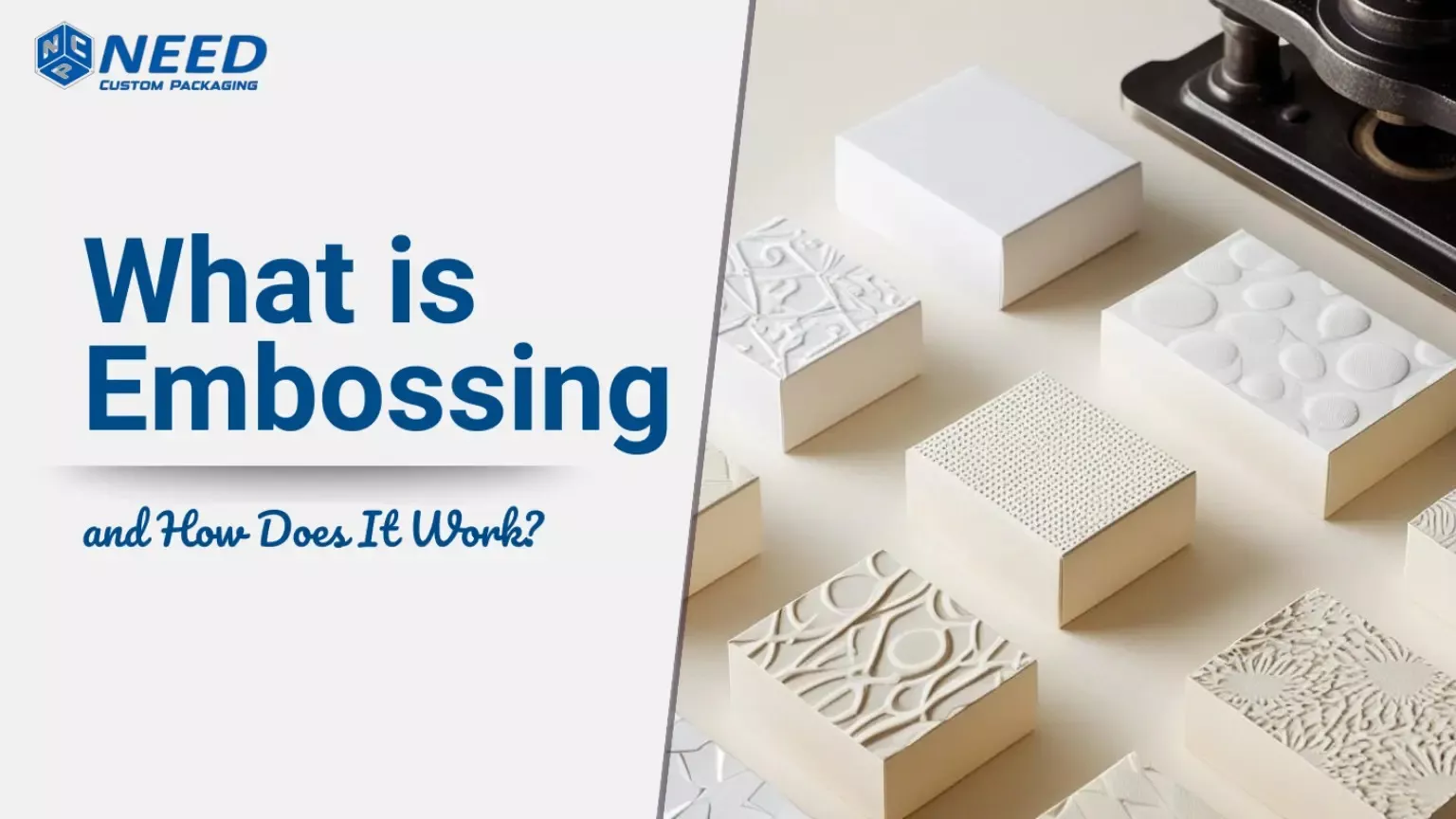
Making the first impression is essential through branding, marketing, or packaging. You can make a lasting impact by offering a tactile experience that evokes the customers’ emotions through a material or product. The embossing technique is used to add a sensory element by raising the design or texture on the packaging. Embossing helps businesses to build and sustain premium branding.
What is Embossing?
Embossing is a printing method that ensures the raised effect, such as designs, custom patterns, text, and logos, on a surface. This technique is usually utilized on leather, cardboard, or paper, adding a visually striking element to products like packaging and business cards, conveying a tactile experience.
Embossing is an earlier technique used by ancient civilizations. Egyptians used this technique to craft intricate designs on the stone and papyrus. With the evolution, embossing is refined and utilized on different materials, especially in the packaging and printing industries.
Today, embossing is often used to convey a sense of sophistication and luxury through printed materials. That’s why embossing enhances brand perception to make products more memorable and valuable to customers.
Basic Embossing Process
Embossing is done by combining the dies, pressure, and heat. A customizable die is used to create a raised design before pressing and heating the material. A permanent 3D and elegant effect makes this technique ideal for products like custom embossed boxes, ensuring durability.
How Embossing Works
A step-by-step embossing process is explained below:
- Design Creation: Create the design for embossing using software to ensure suitability. Bold lines and larger shapes are ideal for creating an ideal design.
- Die Creation: Create a custom die after finalizing the design. A die is usually manufactured from metal with an engraved or etched design. This die creates a raised texture through contact with the material.
- Pressing: The material is put underneath the press machine. The implication of heat and pressure on the material to shape the textured design.
- Finishing: A finish can be applied to the material after the embossing process, ensuring an additional effect. This last step ensures that the product is ready for use.
Ideal Tools and Machines for Raised Texture
The following are used to apply embossing to luxury packaging solutions.
- Die: A custom-made embossing metal die with a raised design.
- Press: A machine applies pressure and heat to transfer the design from the die to a specific material.
- Heat Source: An electrically heated platen is used to make the material soft enough to mold into the die shape.
Different Types of Embossing
The types of embossing techniques for luxury packaging, including 3D stamping embossing, are mentioned below:
Blind Embossing
The design is raised without ink or color in the blink embossing technique. The design becomes prominent with a raised texture, offering a subtle effect. This method is perfect for premium products to offer a tactile experience rather than just the visual appeal.
Registered Embossing
A fabulous embossing approach to apply foil or ink to the raised packaging design. Registered embossing aligns the raised texture with the printed color, ensuring a visually striking contrast between the flat areas and the raised design. This technique is ideal for text or logos on a larger printed design.
Combination Embossing
It combines foil stamping and embossing to create a raised effect and improve the effect with color and shine in the presence of a colored or metallic foil. 3D stamping embossing is ideal for premium packaging solutions.
Benefits of Embossing for Businesses and Products
The benefits of embossing for custom packaging and other products are mentioned below:
Enhance Brand Visibility
A raised design captures potential customers’ attention, highlighting your brand text or logo. The tactile element adds a premium touch to your products, ensuring a positive impression on every client.
Add Tactile and Luxury Appeal
Embossing offers a distinctive texture and a luxurious touch. Tactile quality is linked with premium products, boosting their perceived value.
Improve Design Durability
Embossing design ideas allow you to enhance the durability of your packaging design. The embossed design is permanent and can’t be faded like print or ink. This durability keeps your branding intact even after prolonged exposure.
How to Choose the Right Materials for Embossing
It is important to choose the best materials for embossing to withstand the pressure and heat during the process.
- Paper: A cardstock or premium paper is perfect for packaging, invitations, and business cards. You can learn how to emboss paper to highlight the different packaging areas.
- Cardboard: A thick material is ideal for embossed logo packaging, holding the raised design.
- Leather: Embossed leather is the best option for luxury goods such as books, bags, and wallets.
- Plastics: A Specific plastic is embossed for signage or product packaging.
Consideration of Texture and Thickness
It is important to consider the thickness and texture during the embossing process. Thicker materials can grip the designs better. On the other hand, thinner material can be damaged if you can’t handle it carefully. It is essential to consider the ideal material with a smooth surface for embossing, ensuring excellent texture.
Effective Design Tips for Embossing
You can consider the following design tips for effective embossed packaging:
- Simple vs. Intricate Designs: Bold and simple designs offer ideal effectiveness. Intricate details can be a big challenge to achieve and are not easy to incorporate effectively into the final product. However, larger logos and fonts with prominent outlines work perfectly.
- Pair with Other Techniques: Embossing can pair phenomenally with other printing methods like debossing and foil stamping. The ideal combination can offer a multi-dimensional and stunning design.
Applications of Embossing in Different Industries
- Business Cards: An embossed text or logo can highlight a business card among other competitors while leaving a positive impression on potential partners or clients.
- Book Covers: Embossed book covers are usually perfect for special editions, offering the ultimate luxury and elegance in design.
- Invitations: Embossed invitations are used for corporate events, galas, and weddings, promoting elegance and exclusivity.
- Product Packaging: Embossing is perfect for packaging luxury products like food, perfumes, and cosmetics. Custom embossed packaging conveys a premium and sophisticated feel.
Debossing vs Embossing
Debossing creates a recessed effect on the design, while embossing offers a raised design. This means that embossing raises the texture, while debossing pushes the pattern into the material. The main difference is that debossing offers a subtle effect while embossing enhances surface dimensions.
Embossing vs. Debossing: Which is Better?
Both techniques are ideal options depending on your business needs:
- When to Use Debossing: Use debossing vs embossing when you need a refined effect offering ideal depth without overwhelming the design.
- When to Use Embossing: Prefer embossing when you want to get a bold design with a raised texture.
Common Mistakes to Avoid in Embossing
Even skilled designers can make errors that affect the final look. Here’s what to avoid:
-
Using the wrong substrate: Not all materials respond well to pressure and heat.
-
Excessive pressure: This can damage the die or warp the material.
-
Misalignment: Leads to uneven designs or double impressions.
-
Poor die quality: Cheap dies often lack the precision needed for crisp details.
Attention to detail is key; always test before mass production.
Partner with the Best Embossing Service Provider
When you are looking to choose a service provider for embossing, it’s important to consider experience, equipment, and samples. You must check the proven track record of successful embossing projects in terms of designs and materials.
It is important to consider the ideal embossing machines for consistent and precise results. You can also ask for samples with the cost of embossing to evaluate the standards.
Future Trends in Embossing and Sustainable Design
The embossing industry continues to evolve with new technologies and eco-friendly approaches. Digital embossing machines now allow precise, software-controlled textures without traditional dies, making small-batch production faster and greener.
Brands are also combining embossing with eco-friendly materials to reduce waste while maintaining a luxury aesthetic. Expect more biodegradable, recyclable, and renewable packaging solutions that feature textured finishes and intricate embossed branding.
Conclusion
Embossing is more than just a decorative technique; it’s a storytelling tool. It communicates elegance, quality, and brand identity through touch and sight. Whether used on luxury embossed boxes, bakery packaging, or jewelry packaging, embossing remains one of the most powerful ways to make a lasting impression.
So, the next time you feel that raised logo or textured design, you’ll know exactly what’s behind it: the creative and technical beauty of embossing.
If you’re ready to enhance your brand’s packaging with embossed details, consider working with professionals who specialize in sustainable and high-quality packaging design.
FAQs
1. What materials can be embossed?
Embossing works on paper, cardboard, leather, plastic, and thin metal sheets. The choice depends on the design and desired texture.
2. What’s the difference between embossing and debossing?
Embossing raises the design, while debossing creates a recessed impression. Both add depth and style to packaging.
3. Is embossing eco-friendly?
Yes! Many brands now use recyclable and biodegradable materials for eco-friendly embossed packaging that’s sustainable and stylish.
4. How long do embossing dies last?
High-quality metal dies, such as brass or copper, can last for thousands of impressions with proper care and maintenance.
5. Can embossing be combined with foil stamping?
Absolutely. This is called combination embossing it adds both raised texture and metallic shine for a luxurious finish.