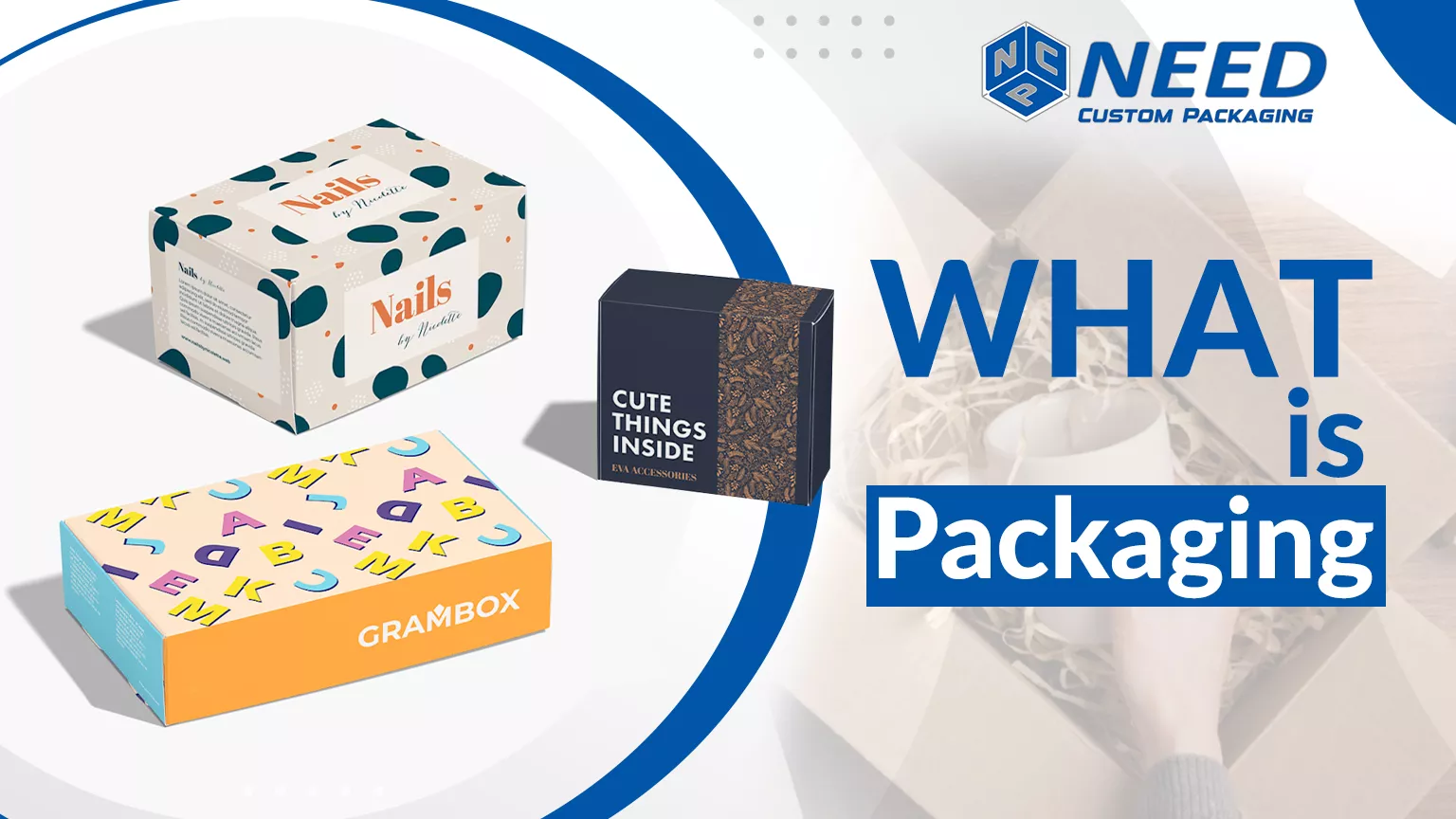
Packaging serves a critical role in product marketing and consumer engagement. It contains much more than merely enclosing a product.
It plays a significant role in branding, providing protection, and establishing a lasting and impactful first impression.
This helpful guide provides an in-depth understanding of “what is packaging,” detailing its key types, materials, and the essential role it fulfils in business operations and success.
Whether you’re starting a new experience or working for a large company, this guide will help you make informed choices when it comes to packaging.
What Does Packaging Mean?
At its core, packaging is more than just a box or wrapping; it’s a way to connect a product with its buyers. It plays a crucial role in how we perceive and understand what we are purchasing.
In simple terms, packaging is all about creating the container or wrapping that holds and protects a product while also showcasing it to the public. This includes everything from the materials used to its appearance and the information it contains.
Think of packaging as the product’s first introduction to customers. A study by Ipsos (2025) found that 72% of shoppers believe the design of packaging affects their decision to purchase a product.
Main Types of Packaging You Should Know
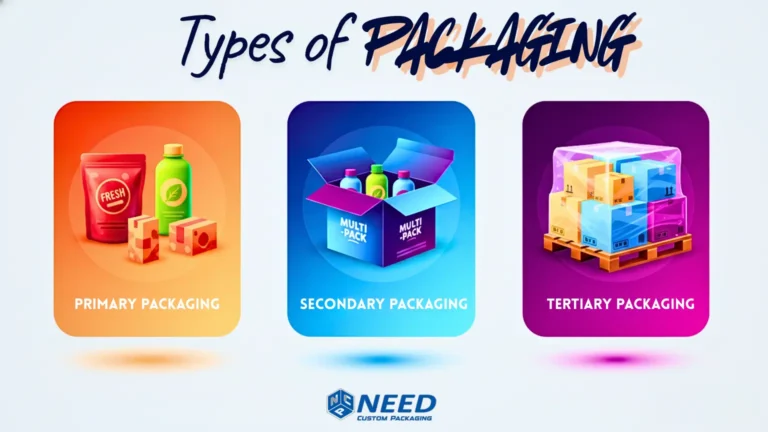
Different products require varying levels of packaging. Three fundamental levels of packaging work together to ensure product safety, functionality, and presentation.
Understanding these levels enables businesses to select the appropriate packaging that strikes a balance between protection and branding, providing a cohesive and effective presentation.
Let’s explore the three main types that comprise the packaging hierarchy.
1. Primary Packaging
This is the first layer of packaging that directly holds the product. Consider a shampoo bottle, the wrapper on a chocolate bar, or the plastic packaging for medicine.
This part keeps the product safe and clean, makes it easy to use, and usually features branding and essential information.
2. Secondary Packaging
This type of packaging groups several items of primary packaging together, making them easier to handle or display in stores.
For example, a cardboard box that holds several tubes of toothpaste or a carton that contains cans of soda. Secondary packaging enhances organization and makes products appear more attractive on the shelf.
3. Tertiary Packaging
Tertiary packaging is used for transporting large amounts of products. You might see wooden pallets, plastic crates, or large wraps used in warehouses.
This type focuses on protecting products during shipping and storage, rather than on their appearance.
Common Types of Packaging Materials
Packaging materials play a crucial role in protecting products, their sustainability, and their appearance on store shelves.
Choosing the proper packaging will help keep products safe while also aligning with a brand’s commitment to the environment.
Here’s a simple overview of some common types of packaging materials and their benefits:
Paper and Cardboard:
These materials are light, easy to recycle, and affordable. They’re often used for boxes, cartons, and wrapping.
Because they are produced sustainably, they’re great for items such as food deliveries, cosmetics, and online shopping, offering both eco-friendliness and appealing designs.
Plastic:
It is a Versatile Material that is strong, flexible, and resistant to moisture, making it a popular choice for various applications, such as bottles and containers.
However, with rising concerns about the environment, many companies are moving toward more recyclable and eco-friendly plastic options.
Glass:
Glass containers, although heavier, offer an upscale appearance and are ideal for holding drinks, perfumes, and medications.
They are reusable and don’t react with contents, which helps maintain quality and build trust with consumers.
Metal:
Metals like aluminium are durable and provide excellent protection. They are commonly used for products such as canned foods and sprays.
One of the standout features of metal is its recyclability; it will be repurposed endlessly without losing quality, making it a sustainable choice for environmentally conscious consumers.
Smart and Flexible Packaging:
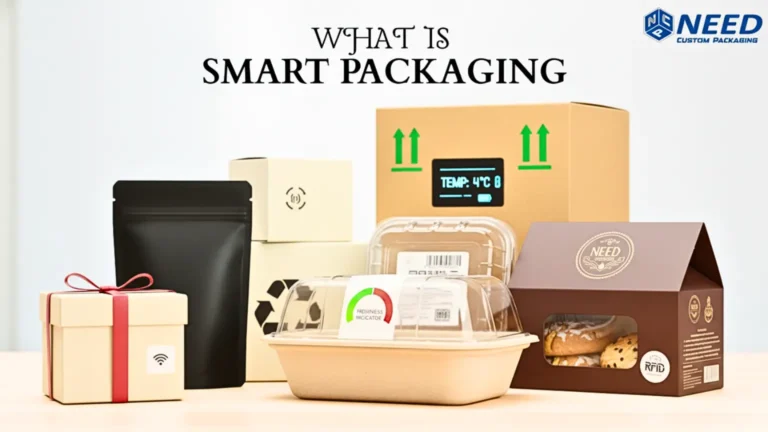
Smart packaging incorporates technologies, such as QR codes, that provide consumers with additional information or freshness indicators to indicate whether the product remains fresh.
Flexible packaging options, such as pouches, are lightweight and easy to reseal, making them popular in the food and health supplement industries.
If you want to understand how these technologies work, including sensors, connected labels, and automation, you can read our full guide on smart packaging.
Eco-Friendly & Biodegradable Packaging:
New materials, such as cornstarch-based plastics, recycled paper, and compostable films, are transforming the packaging landscape.
These sustainable choices help reduce our environmental impact while attracting consumers who care about the planet.
If you want to understand how different materials influence durability, cost, and product protection, you can read our complete breakdown of common packaging materials.
What is Sustainable Packaging?
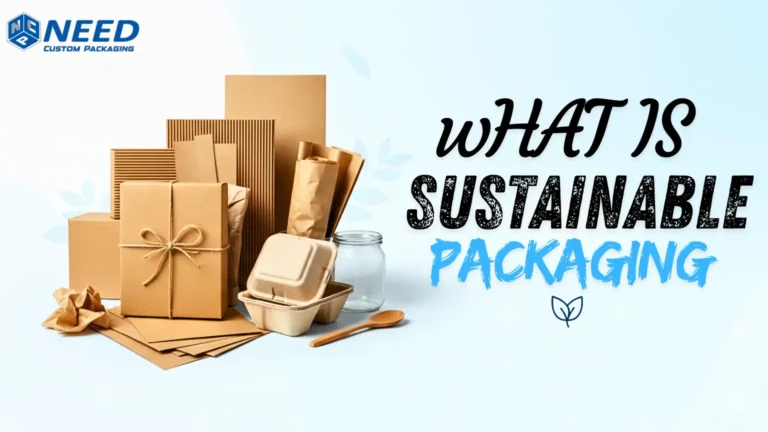
Sustainable packaging is about using materials and methods that are environmentally friendly. The goal is to minimize waste, conserve energy, and reduce pollution while ensuring products remain safe throughout their journey from production to disposal.
It’s expected that the demand for sustainable packaging will grow by 6.5% each year. This increase is primarily due to increased awareness of environmental issues and stricter government regulations.
Companies like Coca-Cola are adopting eco-friendly packaging solutions, which not only help protect the planet but also boost their reputation and build customer loyalty.
To explore sustainability in packaging, including compostable materials and recycling methods, you can read our full sustainability packaging guide.
Role of Packaging Across Various Industries
Packaging plays a vital role in various industries, tailored to the specific needs of each sector. Let’s take a look at how packaging works to support different types of products:
Food & Beverage Packaging: In the food sector, packaging plays a crucial role in maintaining product freshness, safety, and cleanliness. For example, vacuum-sealed meats stay fresh longer, and resealable pouches for snacks help keep flavours intact.
Beauty & Cosmetic Packaging: For beauty products, packaging is not just functional; it’s also about making a good impression. Attractive jars and bottles not only catch the eye but also protect delicate creams and serums from factors such as light and air.
Electronics & Technology Packaging: For gadgets like smartphones and laptops, robust and durable packaging is essential. Special materials that absorb shock and prevent static electricity are used to keep these delicate items safe during shipping.
Pharmaceutical & Healthcare Packaging: In the healthcare industry, packaging is all about safety. Features like tamper-proof seals and easy-to-use blister packs ensure that medications are secure and that customers can trust what they are using.
Fashion & Apparel Packaging: For clothing, packaging combines style with the environment in mind. From custom rigid boxes for luxury items to eco-friendly paper bags, the goal is to make a great first impression while being mindful of sustainability.
E-Commerce & Shipping Packaging: With the rise of online shopping, packaging has become essential for shipping products safely. Sturdy boxes and padded mailers are designed to protect items during transport and often include custom designs to make the brand stand out.
If you want to see how packaging influences brand perception, customer experience, and market positioning, explore our full guide on packaging’s purpose in modern businesses.
Major Challenges in Packaging
As packaging continues to evolve and improve, many brands still face significant challenges in maintaining innovation, affordability, and environmental friendliness. Here are the main issues they are dealing with:
1) Environmental Impact & Plastic Waste
One of the most significant problems is the amount of plastic waste. Most plastic packaging isn’t recycled—only about 19% of it is, according to the United Nations Environment Program. This prompts brands to explore ways to utilize materials that can be recycled and contribute to a cleaner environment.
2) Cost vs. Eco-Friendliness
Choosing eco-friendly packaging materials can be more expensive. Companies need to strike a balance between being environmentally conscious and staying profitable, which means being smart about the materials they use and streamlining their supply chains.
3) Following Rules & Labelling Requirements
Brands must comply with various regulations, such as labeling standards set by the FDA in the U.S. or packaging rules in Europe. If they fail to do so, it can result in costly product recalls and damage their reputation.
4) Meeting Consumer Expectations
Today’s shoppers want packaging that is not only functional and visually appealing but also environmentally friendly. Balancing all these expectations regularly poses a significant challenge for businesses wanting to stay competitive.
Where to Find Luxury Packaging for Your Products?
If you’re looking for high-quality packaging that enhances the appearance of your products, check out Need Custom Packaging. They offer special packaging solutions tailored to your items, regardless of their type—be it beauty products, food, gadgets, or goods from your online shop.
They offer a range of options, from stylish boxes to eco-friendly bags. Their designs strike a balance between attractiveness and practicality, while also being environmentally friendly.
Their professional team excels particularly in luxury packaging, which helps your brand make a lasting impression.
Visit Need Custom Packaging today to discover beautiful materials, custom printing options, and unique designs that will turn first-time buyers into loyal fans!
Final Thoughts:
Packaging is more than just a means to keep products safe — it tells a story, promotes a brand, and showcases a commitment to the environment, all at the same time.
As we approach 2026, brands that invest in creating innovative, eco-friendly, and customer-centric packaging are likely to stand out in competitive markets.
Whether you’re running a small business or working for a large company, it’s a great time to think about how you package your products.
Ready to create packaging that not only protects your products but also impresses your customers and boosts sales?
Explore sustainable, innovative, and customized packaging options that align with your brand’s values, making your products truly memorable.